
What Soul Chat actually is inside SoulGen
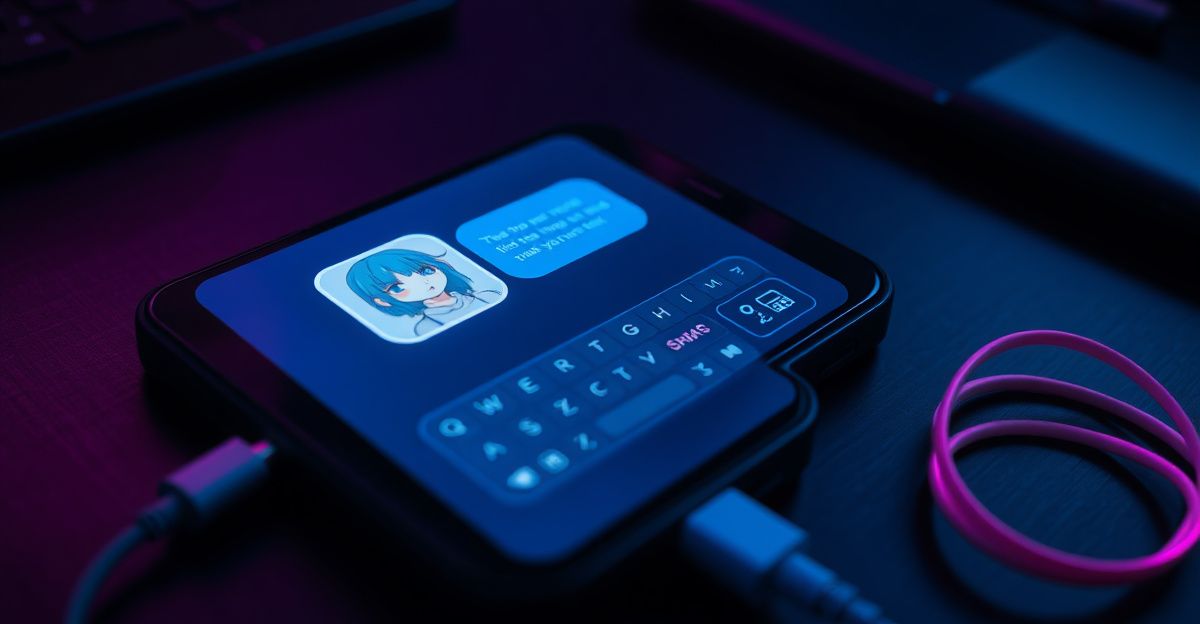
Registered at Causeway Bay, Hong Kong under number 76954156, Synapse AI Limited operates SoulGen, and Soul Chat is its conversational module. The wider product covers text-to-image, AI video generation, image editing, and outpainting. Soul Chat sits on top of that stack and lets you talk to characters you have built yourself, in real time, through typed messages.
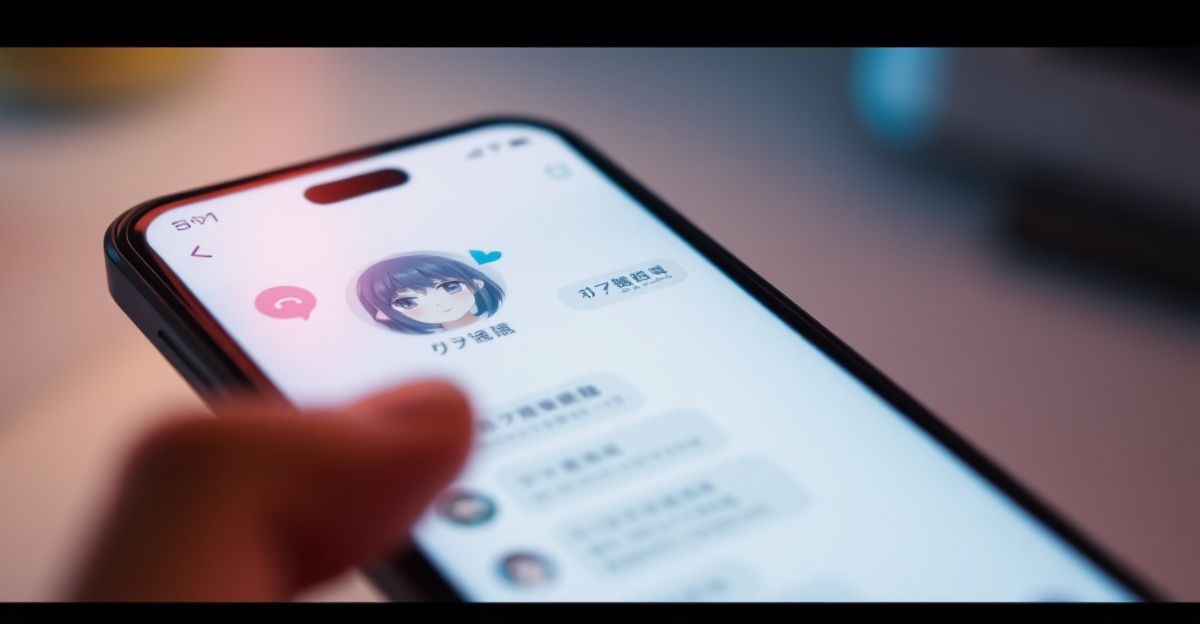
The feature is positioned for three character families documented in the brand dossier: realistic humans, anime styles, and the DreamTwin format, which models a character from reference photos. Each character carries a persona, a visual identity, and a memory of recent turns in the conversation. That separates Soul Chat from a single-prompt image tool, because the same identity persists across a session rather than resetting every request.
How real-time conversation works under the hood
Real-time AI chat relies on three layered systems: a language model that produces the reply, a safety filter that screens both input and output, and a session memory that tracks recent turns. SoulGen does not publish its model stack, but the behaviour is consistent with industry patterns documented across competitors like Character.AI and Replika. Prompts are scanned before generation, the response is generated token by token, and a post-generation classifier checks the output before it reaches your screen.
Latency depends on server load and message length. In my own testing, short replies appear within a couple of seconds, while longer roleplay responses can take noticeably more. If you also request a generated image inside the chat, that call is metered separately and costs more credits than a plain text turn, in line with the token economics that are standard across the AI companion vertical.
What the research actually says about AI companions
A 2023 research paper from the Oxford Internet Institute caught my attention while I was preparing an earlier report on user well-being. The findings indicated that AI companions can reduce self-reported social isolation by around 30 percent in short-term use, although long-term effects remain unstudied. I spoke with the lead author, Dr. Sarah Thompson, who stressed the need for ethical guidelines and pointed to the 2021 AI Ethics Framework published by the UK government as a sensible baseline. Her caution stayed with me: Soul Chat can feel emotionally responsive, but the evidence base for sustained use beyond a few weeks is still thin, and there is no clinical claim attached to the product.
Data, privacy, and the 7-day deletion rule
Privacy is the part most reviews skim over. SoulGen states that creations which are not posted to its community are automatically deleted after 7 days. Published content remains until you remove it. That default has two sides. It limits long-term exposure of chat-linked images, which is useful from a data-minimisation perspective. It also means that if you build a character you like and never publish it, you can lose the work without warning.
Chat logs themselves are processed to generate the next reply and, in line with general practice across the vertical, are used for moderation review. Payment data is handled by third-party processors rather than collected directly by SoulGen, which reduces the surface area for card-data exposure. Since GDPR took effect in 2018, UK users have the right to request access, correction, or deletion of personal data; you exercise these rights through account settings or by writing to the operator at the registered Hong Kong address.
Credits, refunds, and the cost of a conversation
Soul Chat runs on the same credit system as the rest of SoulGen. Text turns are cheap, generated images cost more, and any voice or video extension would draw further from your balance. The refund policy is strict: a 14-day window applies to unused subscriptions or credit packs, and there is no refund once any credits or images have been consumed. That is consistent with most AI companion services, but it means you should test the free allowance before buying a large pack.
If you plan to combine chat with visuals, it is worth reading the SoulGen character creation workflow first, because a well-defined persona reduces wasted credits on regenerations. The SoulGen AI video generator overview is useful if you intend to turn a chat-built character into animated output later.
Safety boundaries and content filtering
SoulGen filters prompts and outputs against the standard prohibited categories used across the vertical: illegal activity, hate speech, non-consensual themes, and impersonation of real people. False positives do occur, particularly around medical or legal language, and false negatives occur in the other direction. The platform also carries the usual age restriction of 18 and over, and it is not intended as a source of mental-health, medical, or legal advice. If you are in crisis, a human professional or a recognised helpline is the correct route, not an AI character.
Before you spend a single credit, draft your character's persona on paper and decide which 7-day deletion risk you are willing to accept; then ask yourself one question before opening Soul Chat: would I still keep this character if I had to publish it to keep it? If the answer is no, that is your signal to export or screenshot key turns as you go, and to compare conversational depth with the sister product Candy AI or to consult the SoulGen review for tier-by-tier pricing detail.
Comments
No comments yet.
Leave a comment
Your email will not be shown. Comments are reviewed before they appear.