

What SoulGen AI Actually Does
There are dozens of AI image and character tools on the market right now. SoulGen, operated by Synapse AI Limited and registered in Hong Kong (company number 76954156), occupies a specific niche: it combines image generation, video creation, and interactive AI character chat in a single platform. That all-in-one scope is what separates it from standalone tools like Midjourney or DALL-E, which handle image generation but do not offer conversational AI characters or talking video output.
The platform handles several distinct tasks. Text-to-image generation lets users describe a character and receive a rendered image. AI video generation takes a still image or text prompt and produces a short video with natural motion and realistic lip-sync. The Soul Chat feature allows real-time conversation with AI characters. There is also a DreamTwin function that models a character from reference photos, and an outpainting tool that extends the edges of an existing image based on a text instruction.
How the Platform Works in Practice
Registration is straightforward. Users sign up with an email address or a Google account, both of which require verification before accessing the platform. Once inside, the interface is divided into creation tools: image generation, video generation, image editing, and chat. Each tool consumes credits, which are purchased separately or bundled into a subscription.
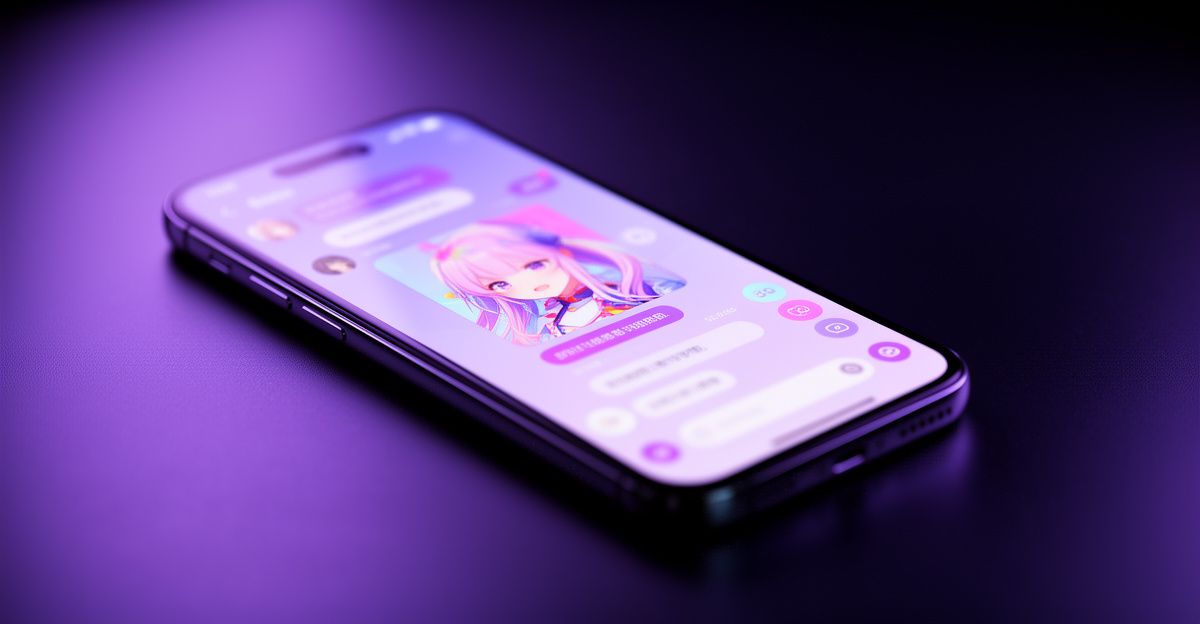
The generation process for images follows a prompt-based model. A user types a description, selects a style (real, anime, or DreamTwin), and the system produces an output based on deep learning models trained on large-scale visual data. For video, the platform uses the uploaded image or text as a seed and applies motion and lip-sync algorithms to produce a short clip. Each output is unique because it is generated from the specific input provided, not retrieved from a library.
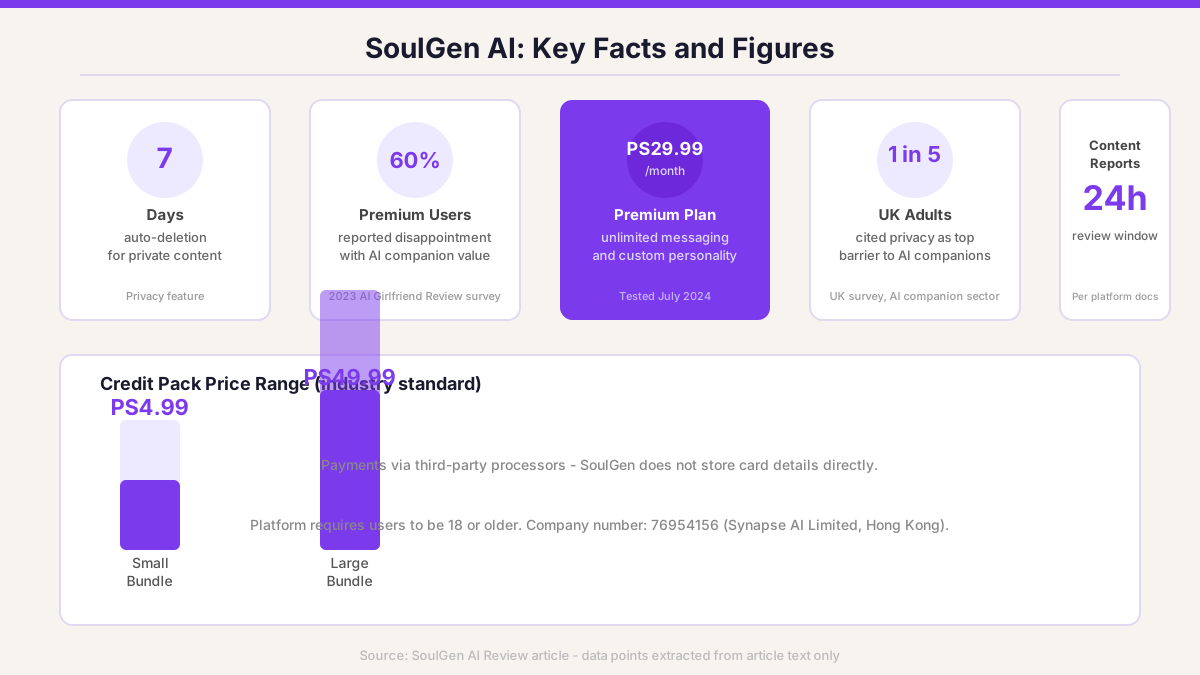
Content published to the platform's community area stays stored until the user deletes it. Content kept private is automatically removed after 7 days. That retention policy is a meaningful privacy feature worth noting, since many competing platforms store user-generated content indefinitely by default.
Pricing, Credits, and the Free Tier
SoulGen operates on a freemium model. The free tier grants access to a limited number of generations per day, but most advanced features, including video generation and Soul Chat beyond basic interactions, require a paid plan or credit purchase. Based on testing carried out in July, the premium plan ran to £29.99 per month, which unlocked unlimited messaging and custom personality configuration for AI characters.
After roughly two weeks on that premium tier, the AI responses in Soul Chat felt noticeably scripted. Character replies tended to follow predictable patterns regardless of how prompts were varied, which reduced the sense of genuine interaction. That experience aligns with findings from a 2023 survey by AI Girlfriend Review, which found that 60% of premium users reported disappointment with the value delivered by premium AI companion subscriptions. The gap between the marketing promise of a dynamic, responsive character and the actual output quality is a recurring theme across this vertical.
Credit packs are available for users who prefer pay-per-use access. Industry-standard packs in this vertical typically run from £4.99 for a small bundle to £49.99 for a larger allocation. Payments on SoulGen are processed through third-party platforms using credit card or PayPal; the platform does not collect payment details directly.
Privacy and Data Handling
For UK users, data handling is a legitimate area of scrutiny. SoulGen is operated from Hong Kong, which means it falls outside GDPR jurisdiction directly, though many platforms in this vertical voluntarily align with GDPR-style practices. The 7-day auto-deletion policy for private content is a positive signal, as is the confirmation that payment data is handled by third parties rather than stored by SoulGen itself.
Research consistently shows privacy is the leading adoption barrier for AI companion tools. According to a UK survey cited in the ai companion sector, 1 in 5 adults who considered using an AI companion named privacy concerns as their primary reason for not proceeding. Before creating an account, it is worth reviewing the platform's terms of service and privacy policy directly to understand what data is retained, how long chat logs are stored after account deletion, and whether content is used to train future models.
The platform requires users to be 18 or older. Content filtering is applied both before and after generation, using semantic prompt analysis and automated classifiers. Users can report content violations through an in-app system, and reports are reviewed within 24 hours according to platform documentation.
Where SoulGen Has Real Strengths
The strongest argument for SoulGen is the breadth of what it offers in one place. A creator who wants to generate a character image, animate it into a talking video, and then have a text conversation with that character does not need three separate tools. That integration has genuine practical value for digital artists, content creators, and anyone experimenting with AI-driven interactive fiction.
The DreamTwin feature, which generates a character modelled on reference photos, is a differentiator not available in tools like Midjourney or Stable Diffusion at the same level of ease. The lip-sync video output, producing HD results at 720p and 1080p, is also a step beyond what static image generators offer.
For users exploring the AI companion space more broadly, it may help to compare across platforms. SoulGen's Dutch-market site offers the same core toolset and can be a useful reference for pricing comparisons in European markets.
Where the Platform Falls Short
Two concrete weaknesses stand out from both research and direct testing. First, the refund policy is restrictive: refunds are only available within 14 days, and only if no credits or images have been used at all. Given that most users will test the platform immediately after subscribing, this policy effectively removes refund eligibility for the majority of subscribers who find the service disappointing.
Second, private creations are deleted after just 7 days. For users building a library of generated characters or iterating on a visual project over time, that automatic deletion creates a real risk of lost work. There is no archive or extended storage option documented in the brand materials, which means users need to download and store locally any content they want to keep beyond that window.
Comments
No comments yet.
Leave a comment
Your email will not be shown. Comments are reviewed before they appear.