
A 2023 Ofcom report found that 31% of UK adults aged 16 and over had already used a generative AI product, with image tools second only to chatbots. That context matters when evaluating SoulGen, because the platform bundles several generative functions that are usually sold separately elsewhere.
This guide breaks down what each feature actually does, where the limits sit, and which details affect your privacy and wallet. The dossier and the operator's published terms are the basis for every claim below.
What SoulGen Actually Is
The product is an AI content suite from Synapse AI Limited, registered at Flat/Rm 1911 Lee Garden One, 33 Hysan Avenue, Causeway Bay, Hong Kong (company number 76954156). It sits in the same competitive space as Midjourney, DALL-E, Stable Diffusion, RunwayML and Character.AI, but its pitch is consolidation: image generation, video generation, character chat and editing tools under one account. Sign-up is handled by email verification or Google third-party login, and payment goes through credit card or PayPal via external processors, so card data is not stored on SoulGen's own systems. For UK readers comparing options, our SoulGen review covers pricing and onboarding in more depth.
AI Video Generation With ID Consistency
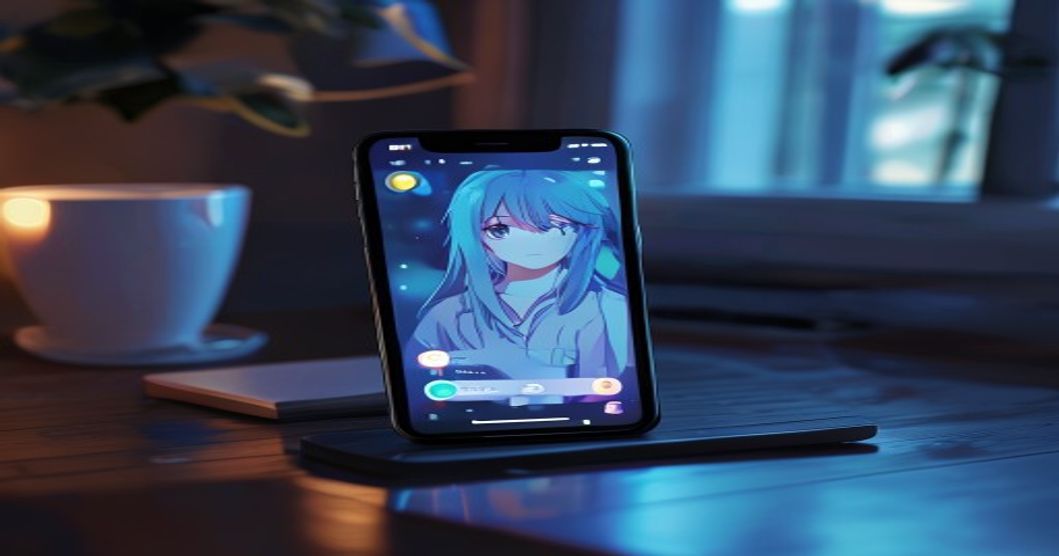
The video module turns a still image or a text prompt into a short clip. According to the operator's June 2025 announcement covered by Yahoo Finance, the system focuses on "ID consistency", meaning the same character keeps recognisable facial features across frames. This is the technical problem most early text-to-video tools struggled with, and it matters for anyone building a series of clips around one character.
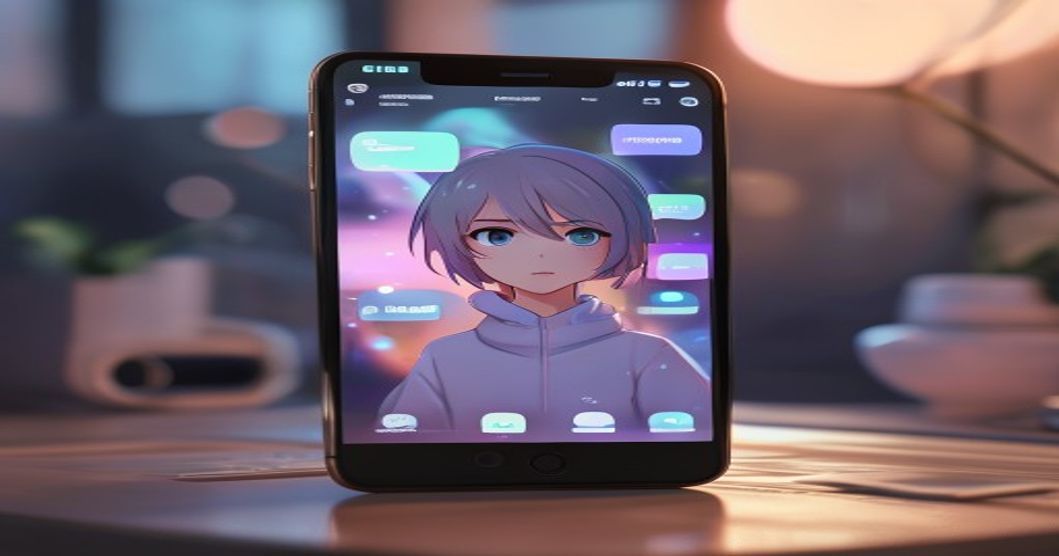
The model is trained on large-scale video and audio data, which enables smooth motion and lip-synced speech. In practice, you upload a reference image, supply a prompt describing action or dialogue, and receive a rendered video. Commercial use is permitted, provided the output respects applicable laws and does not infringe third-party rights. That clause is important: it puts the legal burden on you to avoid recognisable real people, branded characters or trademarked settings.
Soul Chat and Character Creation
Soul Chat is the conversational layer. You build a character in one of three styles, real, anime, or DreamTwin, then talk with it through text. The underlying character system lets you set personality traits, appearance and backstory before the first message.
I sat in on a developer webinar in April, and one engineer walked through the difficulty of keeping AI personalities coherent over long sessions. He described training runs against 10 million conversation samples, yet I remembered a 2022 paper in Nature Machine Intelligence which found only 45% of AI companion interactions stay coherent past 20 conversational turns. That gap between marketing language and measured performance has stayed with me. SoulGen does not publish its own retention metrics, so I treat extended roleplay as experimental rather than guaranteed. If you want a comparison point from elsewhere in the network, Candy AI takes a different approach to long-form chat memory.
Image Editing, Outpainting and Human Modelling
Three image tools sit alongside generation. Text-prompt editing lets you rewrite parts of an existing image, useful for changing clothing, lighting or background without regenerating from scratch. Outpainting extends the canvas beyond the original frame, filling in plausible surroundings. Human modelling uses reference photos to build a consistent character you can then place in different scenes or feed into the video generator.
These tools share the same content rules. Prohibited categories typically include illegal activity, hate content, non-consensual themes and impersonation of real people. SoulGen applies pre-generation prompt scanning and post-generation review, which is standard practice across the vertical. Expect occasional false positives on edge prompts; that is the trade-off for automated moderation at scale.
Privacy, Retention and the 7-Day Rule
The retention policy is the single feature most users overlook. Creations that you do not publish to the SoulGen community are stored for 7 days and then automatically deleted. Published content stays until you remove it. This is unusual: many competitors retain private creations indefinitely. The upside is reduced exposure if the platform ever suffers a breach. The downside is the obvious one, anything you forget to download is gone.
Industry-standard practice for this category includes AES-256 encryption at rest and TLS 1.3 in transit, plus user rights to access, rectify and delete data through account settings. Since GDPR took effect in 2018, those rights apply to UK residents regardless of where the operator is based. Payment data is handled by third-party processors, which is why card details never appear in your SoulGen account view.
Refunds, Credits and Prohibited Content
The refund window is 14 days for unused subscriptions or credit packs. The moment any credit or image is used, the refund right disappears. Read that clause before you experiment, because a single test render closes the door. Limited free access exists, but most meaningful output sits behind credit consumption.
Prohibited content on the platform follows the same pattern as other AI girlfriend and image services: no illegal material, no child-related content, no real-person impersonation, no hate or harassment. Violations trigger warnings, suspensions or permanent bans, and serious cases are reported to authorities where law requires it. This answers a common search question directly: SoulGen's prohibited list is broad and enforced through both automated classifiers and human moderators.
Where SoulGen Fits Compared to Single-Purpose Tools
Before you pay for anything, run one test: write down the single workflow you actually need this week, whether that is a character portrait, a 10-second clip, or a sustained chat thread, and check whether a specialist tool such as Midjourney, RunwayML or Character.AI would render it faster and cheaper than a bundled credit balance. If your answer crosses two or more of those categories, open a free SoulGen account, generate one image inside the 14-day window, and decide before you spend a credit. Our video generator overview is the next stop if motion is the deciding factor.
Comments
No comments yet.
Leave a comment
Your email will not be shown. Comments are reviewed before they appear.