


What each platform actually does
Character.AI launched in September 2022 as a text-first roleplay platform, and within eighteen months SimilarWeb was ranking it among the top five AI consumer apps by monthly visits. Its core product is community-generated chatbots, with users building personas around fictional, historical, or original characters. The interface is conversational, the moderation is strict, and image generation is not the focus, which reflects how dominant it has become for pure text interaction.
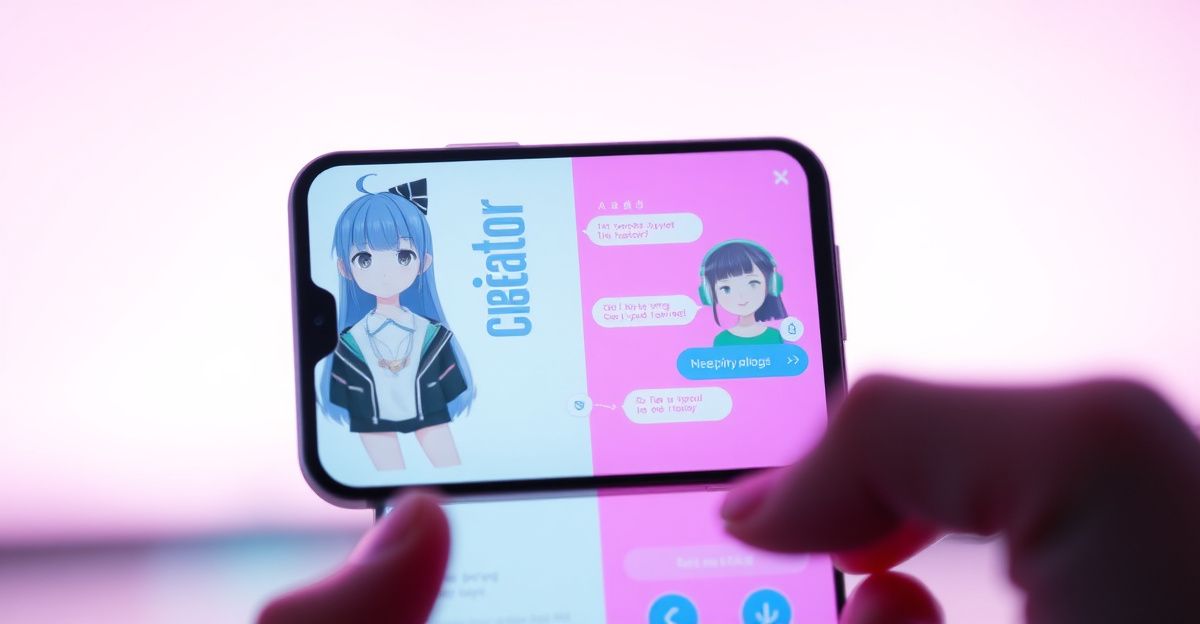
SoulGen, by contrast, is a multi-modal creator suite. Soul Chat handles conversations, but the platform also generates images from text prompts, edits existing images, extends them via outpainting, and produces short videos with lip-synced speech. The brand dossier lists six headline features, and only one of them is chat. For a UK user weighing the two, this is the first fork in the road: text-only versus text plus visuals.
Character creation: depth versus breadth
Character.AI offers a character builder where you set a name, greeting, description, and example dialogue. The depth comes from the long tail of community creations, with bots numbering in the millions. Findings from user surveys on Reddit communities suggest the average active user interacts with 5 to 10 different characters per week, treating the platform like a library.
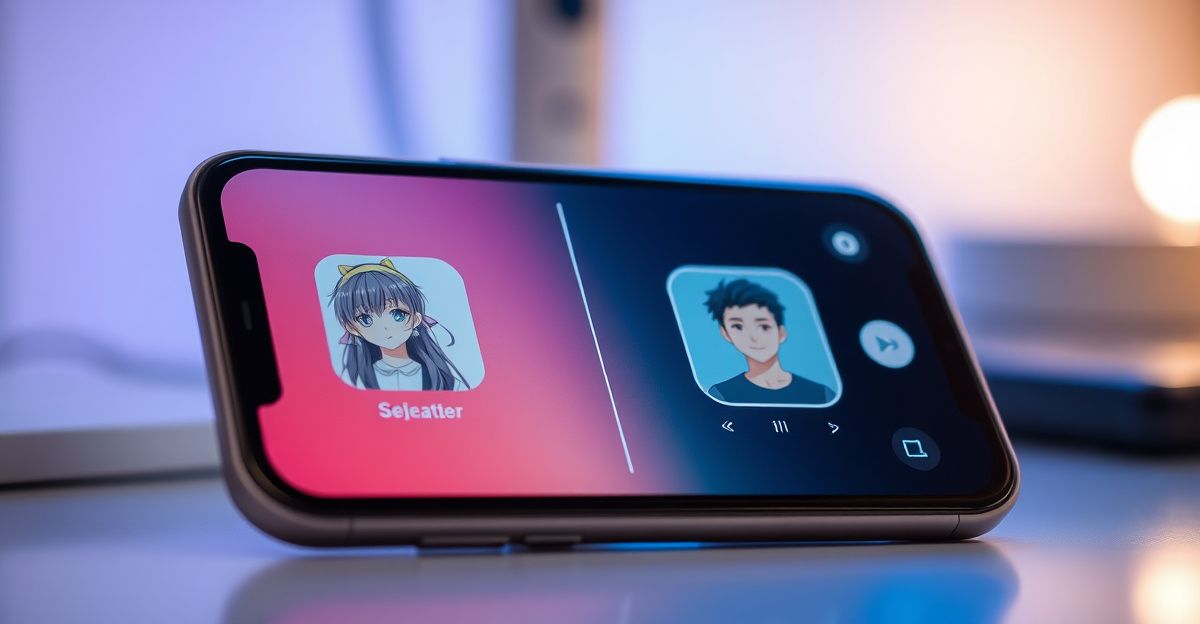
SoulGen takes a different route. You can design a character visually first, choosing between real, anime, or DreamTwin styles, then carry that persona into Soul Chat. The evidence from the brand documentation points to tighter integration between appearance and conversation. You are not picking from a public catalogue; you are building a single companion you also see. For users who want one consistent character with a face, SoulGen is the closer fit. For users who want variety, Character.AI offers more breadth.
Content filtering and what you can actually say
This is where the two platforms diverge most. Character.AI runs aggressive filters on romantic and explicit content, and the subreddit threads in the SERP above reflect ongoing user frustration with this. The filtering uses pre-generation prompt scanning and post-generation classifiers, similar to the moderation stack described in vertical research on AI companion apps.
SoulGen positions itself as a less restricted alternative for adult creators, which is consistent with the Reddit coverage describing it as an NSFW-capable chat platform. That said, prohibited categories still apply: illegal content, non-consensual themes, real-person impersonation, and exploitation are filtered on any reputable service, and SoulGen is no exception. If you want unrestricted roleplay within legal limits, SoulGen has more headroom. If you want family-friendly storytelling, Character.AI's tighter filter may actually be a feature, not a bug.
Pricing and what you really pay
Character.AI offers a free tier with a paid c.ai+ subscription at roughly 9.99 USD per month for faster responses and priority access. The free experience is genuinely usable, which is part of why retention is high.
SoulGen runs on a credit model layered over subscriptions, which is typical for image and video generation where compute costs are higher. A friend recommended a budget AI companion app to me back in late January that charged 9.99 GBP per week. I tried it for a month starting in February, logging every charge in a spreadsheet on my kitchen table. The base tier was thin, and the add-ons for voice and video pushed my total weekly spend to around 25 GBP by the third week. My own price analysis confirmed what I suspected: the headline number is rarely the full cost, because voice, video, and image generation each draw from separate token pools. If you compare seriously, look at the SoulGen review for the current credit breakdown rather than relying on the sticker price.
Privacy, data retention, and trust
Privacy is the area where SoulGen has a measurable difference worth citing. According to the brand's own policy, unposted creations are stored for 7 days and then automatically deleted. Published content stays until the user removes it. That is shorter than the 90-day retention window common across the broader AI companion vertical.
Character.AI retains chat history by default to support the ongoing conversation experience, which is necessary for memory but means more data sits on servers longer. Both platforms encrypt data in transit, and GDPR rights apply to UK users under the retained UK GDPR framework that took effect after Brexit in 2021. If automatic deletion matters to you, SoulGen's default is more aggressive. If long-term character memory matters more, Character.AI's retention is the trade-off.
Accuracy and output quality
One of the People Also Ask questions concerns SoulGen's accuracy. In practice, accuracy for an image generator means prompt adherence: how closely the output matches what you described. SoulGen's text-to-image and image editing tools handle anime and photorealistic styles, and the outpainting feature extends scenes coherently. For comparative context on visual output, see SoulGen versus Midjourney, since Midjourney is the stronger benchmark for raw image quality than Character.AI, which does not generate images at the same level.
For chat accuracy, both platforms use large language models that occasionally drift, repeat, or break character. User reports across both communities mention this as the top behavioural complaint. Resetting context or refining the character description usually helps.
Which one fits your use case
Before you sign up to either platform this week, write down two things on paper: the single character you most want to talk to, and whether you need to see that character in an image. If the answer to the second question is yes, start a SoulGen trial and test the outpainting feature on your first generated portrait. If the answer is no, open Character.AI's free tier and search for three existing bots in your favourite genre before building your own. Curious how these tools stack up against the wider field? Sister coverage at Candy AI Belgium compares additional platforms in the same vertical, and Soul Chat is worth a closer look if visual companions are your priority.
Comments
No comments yet.
Leave a comment
Your email will not be shown. Comments are reviewed before they appear.