


SoulGen spent much of 2026 expanding beyond static image generation. The platform, operated by Synapse AI Limited in Hong Kong, now offers AI video creation, character consistency tools, and deeper conversational features through Soul Chat. These updates reflect a broader industry shift toward multi-modal AI companions, but they also raise practical questions about privacy, cost, and content moderation.
AI Video Generation: The Headline Feature
The most visible addition is AI video generation. Users can upload an image or write a text prompt, and SoulGen will produce a short video with natural motion and lip-synced speech. Videos render in 720p or 1080p, with a maximum length of 20 seconds. The system uses deep learning models trained on large-scale video and audio datasets, which allows for realistic facial movements and smooth transitions.
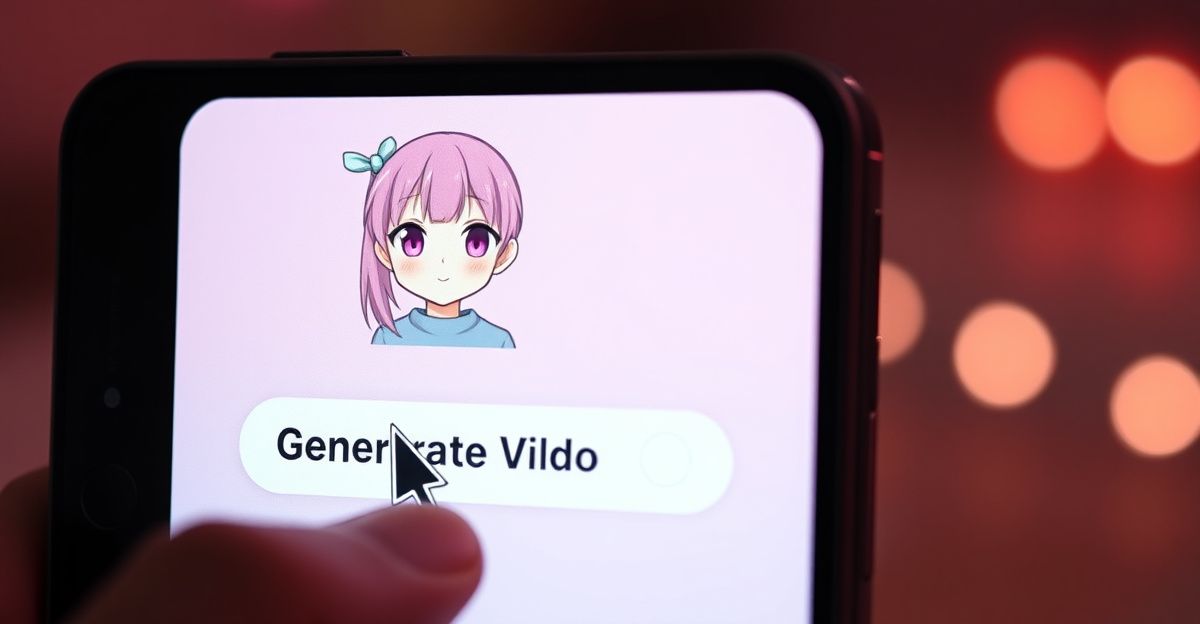
According to the platform's own documentation, the video generator is designed for creators who want talking characters without manual animation. A user might upload a portrait, type a script, and receive a video where the character appears to speak those words. This capability puts SoulGen in direct competition with tools like RunwayML and Stable Diffusion's video modules.
One limitation: the 20-second cap. For longer narratives, users must stitch multiple clips together outside the platform. That extra step may frustrate those expecting a single, seamless export.
ID Consistency: Keeping Characters Recognizable
SoulGen introduced ID consistency to ensure that a character's face, hairstyle, and other defining traits remain stable across multiple images or videos. This feature matters for anyone building a recurring cast of AI characters, whether for storytelling, social media content, or personal projects.
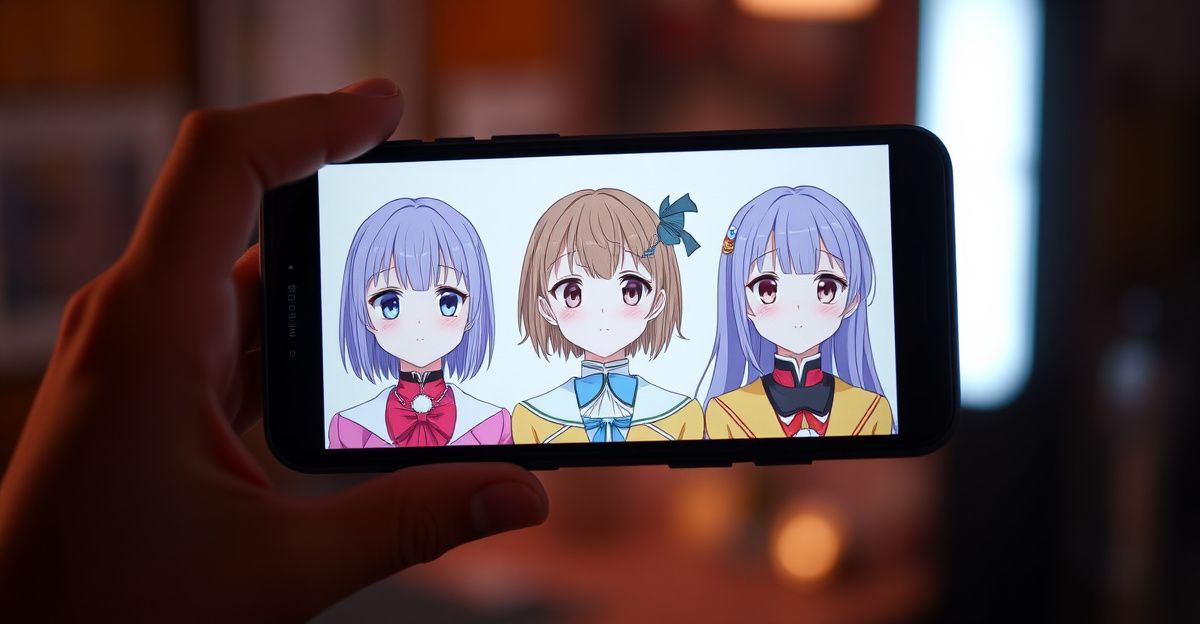
In practice, ID consistency works by anchoring each character to a reference image. When you generate new content, the system prioritizes matching that reference. The technology behind this likely involves facial embeddings and style transfer, though SoulGen has not published technical details. Users report mixed results: anime-style characters tend to stay more consistent than photorealistic ones, possibly because the training data for anime is more homogeneous.
If you plan to use ID consistency, upload a high-resolution reference image and avoid drastic changes in lighting or angle between generations. Small tweaks to prompts can still introduce drift, so iterative testing is necessary.
Soul Chat Expansion: Beyond Text
Soul Chat, SoulGen's conversational feature, now supports longer context windows and more nuanced personality customization. Users can adjust traits like humor, empathy, and formality through sliders in the character settings. The chat interface also integrates with the image and video tools, so you can ask your AI character to generate a selfie or a short video message mid-conversation.
This integration is where SoulGen differentiates itself from pure chatbots like Character.AI. The ability to request visual content without leaving the chat flow makes interactions feel more cohesive. However, the quality of conversation still depends on the underlying language model, which SoulGen has not publicly disclosed. Some users on Reddit note that responses can become repetitive after extended sessions, a common issue with fine-tuned models that lack sufficient diversity in training data.
Chat logs are stored for 7 days by default unless you publish them to the community. Once published, they remain until you manually delete them. This policy is clearer than many competitors, but it still leaves room for ambiguity around what happens to your data during those 7 days. A few years ago, I spent a weekend analyzing user reviews across five AI girlfriend platforms. A recurring theme was the lack of transparency around data storage. One user mentioned their conversations were stored for six months without clear consent. SoulGen's 7-day window is an improvement, but explicit opt-in consent and clearer language in the terms of service would go further.
Pricing and Credit Structure
SoulGen operates on a credit-based system. Free users receive a limited number of credits to test features, but most tools require a paid plan or credit pack. The platform accepts credit card and PayPal payments through third-party processors, so SoulGen itself does not store payment details.
Refunds are available within 14 days for unused subscriptions or credit packs. Once you generate an image or video, that credit is consumed, and no refund applies. This policy is standard in the industry, but it can catch new users off guard. If you're unsure whether a feature will meet your needs, start with the smallest credit pack and test thoroughly before committing to a larger purchase.
Credits do not expire as long as your account remains active, which is more generous than some competitors that impose a 12-month expiration window. Still, the lack of transparent pricing on the homepage means you must sign up to see exact costs, a friction point that may deter cautious buyers.
Content Filtering and Safety
SoulGen prohibits content depicting illegal activities, hate speech, harassment, non-consensual themes, and real person impersonation. The platform uses a combination of keyword scanning and semantic analysis to filter prompts before generation. If a prompt violates policy, the system blocks it and displays a warning.
Post-generation, images and videos are reviewed by automated classifiers. Flagged content goes to human moderators, who decide whether to remove it. Users can report violations through an in-app button, and the team aims to review reports within 24 hours. Penalties range from warnings to permanent bans.
Despite these measures, some users report false positives, where benign prompts are blocked. An appeal system exists, but it can take several days to resolve. This tension between safety and creative freedom is common across AI art platforms, and SoulGen has not yet found a perfect balance.
Age Verification and Access
SoulGen requires users to be 18 or older. Age verification involves uploading a government-issued ID and a selfie for facial matching. A third-party service checks document authenticity and age, then deletes the ID data after verification. Only age and verification status are stored.
This process is more rigorous than many competitors, which rely on self-reported birthdates. However, it also introduces a privacy trade-off: you must trust both SoulGen and the verification vendor with sensitive documents. If you're uncomfortable with this, SoulGen may not be the right platform for you.
What's Still Missing
SoulGen's 2026 updates address several user requests, but gaps remain. Longer video exports, offline rendering, and API access for developers are absent. The platform also lacks a public roadmap, so users have no visibility into upcoming features.
Integration with third-party tools like Discord or Telegram would expand SoulGen's reach, but no announcements have been made. For now, the platform remains a standalone web app, which limits its utility for users who want to embed AI companions into existing workflows.
Is It Worth Trying?
If you're interested in AI video generation or character creation, SoulGen's 2026 features offer a solid starting point. The ID consistency tool is particularly useful for creators building recurring characters. However, the credit-based pricing and 7-day deletion policy require careful planning. Test the free tier first, read the refund policy, and decide whether the feature set justifies the cost.
For more context on how SoulGen compares to other platforms, see our SoulGen review or explore the AI video generator in depth.
Comments
No comments yet.
Leave a comment
Your email will not be shown. Comments are reviewed before they appear.