

How these two platforms position themselves
Founded in 2018 in New York, RunwayML earned its name on the set of Everything Everywhere All at Once, the 2022 Oscar winner whose editors leaned on its tooling. Research into both products shows RunwayML has built its reputation around Gen-2 and Gen-3 Alpha video models used by post-production studios. Its toolset includes motion brush, camera controls, green screen removal, and frame interpolation. SoulGen sits in the adjacent corner of the same market, but with a different brief entirely.

SoulGen takes a different route. Operated by Synapse AI Limited under registration number 76954156, the service combines text-to-image, AI video, image editing, and Soul Chat in a single interface. Its analysis-friendly angle is character creation: anime models, real-style avatars, and DreamTwin profiles you can speak with. For users who want to generate a consistent character and then animate that character with lip-synced speech, SoulGen offers a tighter workflow than RunwayML.
Feature comparison: what each platform actually does
RunwayML's strength is granular video control. You can upload footage, mask elements, extend shots, and apply style transfer. The Gen-3 model handles realistic motion and physics better than most competitors, which is why it ranks high in the Reddit comparison threads for leading AI video generators. Findings from independent reviewers consistently flag RunwayML's learning curve as steep, especially for users without editing experience.
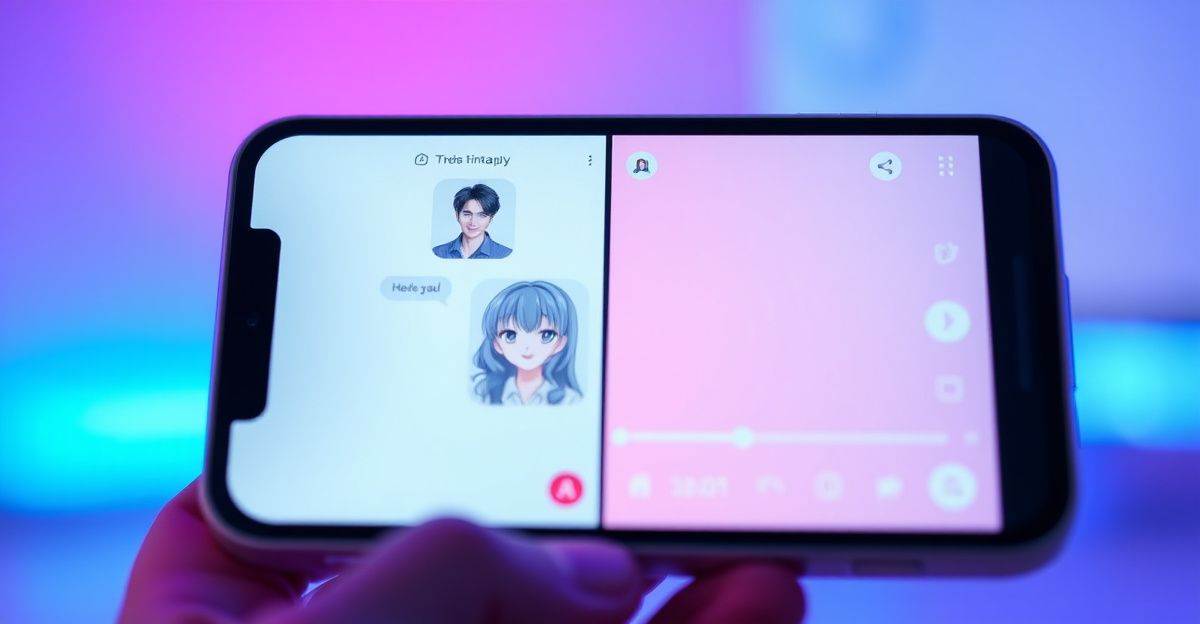
SoulGen prioritises accessibility. Its video generation produces short clips from a still image or text prompt, with talking-character lip-sync as the differentiator. Image editing through text prompts and AI outpainting round out the package. The trade-off is clear in the evidence: SoulGen does not match RunwayML on long-form cinematic output, while RunwayML cannot match SoulGen's character chat and persistent avatar workflow. If you need a virtual companion that can also speak on camera, SoulGen is closer to fit-for-purpose. For a deeper breakdown of the character side, see our SoulGen review.
Pricing and credits: where the money goes
RunwayML uses a credit-based subscription. Free users get limited generations, while paid tiers unlock longer video lengths, higher resolution exports, and watermark removal. The Standard plan and Pro plan are the most-discussed entry points in 2025 review data, with annual billing reducing per-month cost.
SoulGen also runs on credits, with payment by credit card or PayPal. Its refund policy permits 14-day returns on unused subscriptions or credit packs, but no refund once any credits or images have been used. In July I paid 29.99 GBP for a premium tier on a comparable AI companion service to stress-test the value claim. The upgrade promised unlimited messaging and custom personalities, yet after two weeks I noticed the responses felt more scripted than the free version had been. I went looking for confirmation and found a 2023 user survey by ai_girlfriendreview.com showing 60% of premium users were disappointed; I cancelled and downgraded the same afternoon. The lesson carries over here: test with the smallest credit pack before committing to annual billing on either platform.
Privacy, data handling, and ethics
Privacy is where the two diverge most sharply. RunwayML stores project files on its servers and retains user content according to its terms; commercial users on enterprise plans can negotiate data handling. SoulGen takes a stricter default: creations not posted to the community are automatically deleted after 7 days. Published content stays until you delete it.
From an ethics standpoint, both platforms restrict real-person impersonation and illegal content. SoulGen's content filtering applies pre-generation prompt scanning and post-generation review, consistent with industry-standard moderation pipelines. GDPR, which took effect in 2018, applies to UK users of either service, meaning you retain rights to access and delete your data. For privacy-first creators, SoulGen's 7-day auto-deletion is a measurable advantage. For studios with compliance teams, RunwayML's enterprise contracts may be more familiar.
Output quality and use cases
Evidence from side-by-side tests in 2025 comparison tables (Runway, Kling, LumaLabs, Haiper, Minimax, Pika) places RunwayML in the top tier for cinematic realism and camera-style controls. Veo 3 and Kling now challenge it on certain motion benchmarks, but RunwayML remains the go-to for narrative shorts. If your use case is product demos, documentary B-roll, or stylised filmmaking, RunwayML wins.
SoulGen serves a different brief. The platform suits creators making character-led content: animated avatars for social media, talking-head explainers, or interactive companions through Soul Chat. The lip-sync quality on short clips is the standout feature in user analysis. A useful sister-network reference for character-focused AI is Candy AI, which sits in the same vertical with overlapping audiences. For SoulGen specifically, our AI video generator breakdown covers prompt structure and credit cost per clip.
Which one should you pick
Before you open either checkout page, write down the single deliverable you need this month: a 30-second client cut, a talking avatar for Instagram, or a chat-ready character. Buy the smallest credit pack on the platform that matches that brief, RunwayML for the cinematic cut, SoulGen for the avatar or chat. Re-read the refund window the same day you purchase, mark it in your calendar, and run two test prompts within 72 hours. Did the output match what you sketched on paper, or did you talk yourself into accepting less?
Comments
No comments yet.
Leave a comment
Your email will not be shown. Comments are reviewed before they appear.